
Drywall Contractor in Tomball, TX: Repair, Ceilings and Commercial Interiors | The Woodlands Drywall Co.
The Woodlands Drywall Co. is a drywall contractor serving Tomball, Texas, with drywall services that cover the full life of an interior wall. We repair existing walls by filling holes, resetting loose seams and blending each drywall repair into the surrounding surface. We work on ceilings too, including removing old sprayed texture and leaving a clean finish behind. When you are building instead of repairing, we frame the interior, hang gypsum panel and finish the joints with joint compound. We also handle commercial interiors, work with plaster as well as board, and apply the priming coat that prepares a new surface for paint.
Tomball packs two very different kinds of buildings into one small city. In the old depot-era downtown, many surfaces went up long before board was sold by the sheet, while the growing retail corridor is filled with newer interiors. Each setting calls for a different approach from us.
On an older wall, the new work needs to disappear into what is already there, so we read the existing surface and rebuild its pattern until the repair is no longer visible. In a new interior, there is nothing to copy, so instead of matching a wall, you specify one. Sheetrock contractors and builders name that specification using the published GA-214 scale, and the level you choose is written into your estimate before we start. The board itself goes up to ASTM C840. At one end is repair and at the other is specification, and residential drywall contractors here need to handle both.
Tomball sits inside the area we serve across The Woodlands and the surrounding Montgomery and Harris County communities. To get started, call us at (346) 248-4075 or send us the details through our quote form.
Get A Free Quote
Why Tomball Property Owners Call Us
Most drywall firms are set up to work on one kind of building. We handle both the older properties around Tomball's original downtown and the newer homes and offices along the corridor. Twenty years of working inside occupied homes and completing commercial interiors gives The Woodlands Drywall Co. the experience to handle both without learning the other half of the trade on your job.
Four things come from that experience, and you can hold us to every one of them:
- The estimator who walks your property runs the crew that does the work, so you are not explaining the job twice.
- You receive an itemized written estimate within 24 hours of that visit, priced line by line rather than as a single number.
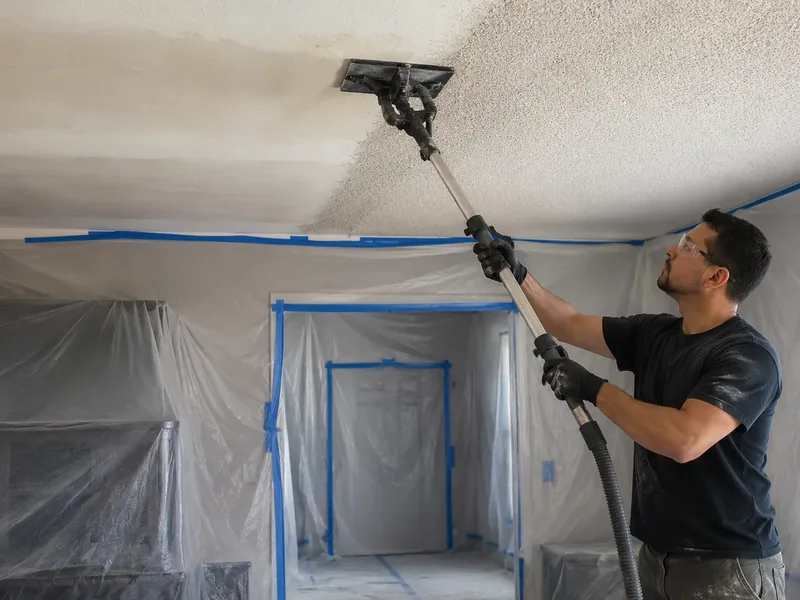
- On every occupied job we hang plastic barriers, seal the doorways and sand with a vacuum held against the sander, which keeps the fine white dust out of the rest of your rooms.
- Where a wall already wears a sprayed pattern, our drywall professionals mix and spray the new patch to carry the same one.
The same crew also works as a drywall contractor in Pinehurst. We are fully insured, and financing is available for qualifying work. To get started, call our drywall experts at (346) 248-4075 or describe what the wall is doing through our quote form.
Drywall Contractor Services Across Tomball, Texas
The old downtown is lined with narrow lots and storefronts built long before gypsum board became the standard way to make a wall. Along SH-249, the mix shifts to newer houses, retail spaces and offices built from plans. The sixteen drywall services below cover the same sixteen kinds of work on both sides of town, but the right approach depends on the address: a crack in a plaster storefront is not the same repair as a crack in a twenty-year-old hallway, and working inside a shop that opens at ten is not the same as working in an empty house. We handle both kinds of work.
The entries below explain what each job involves and what you get from it.
-
Drywall Repair
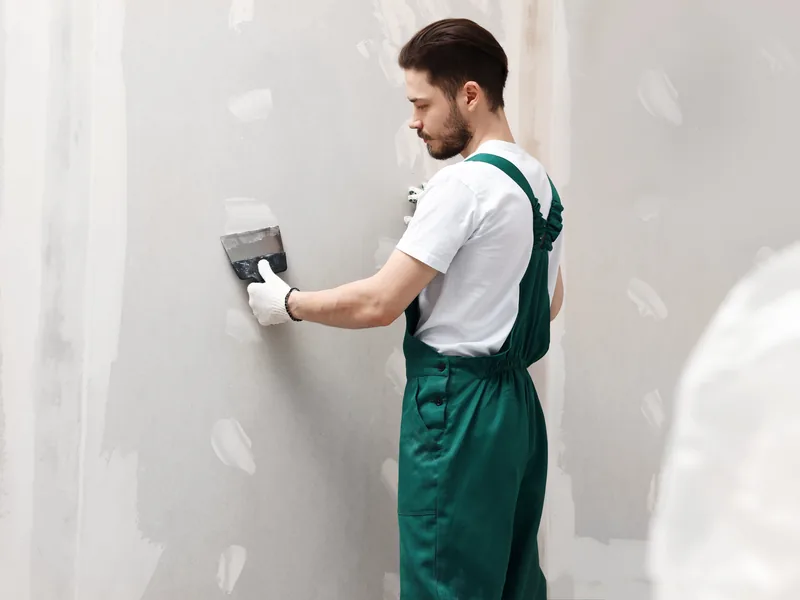
Holes, dents and open seams are standard drywall repair work, and the repair method stays the same regardless of what caused the damage. We cut the damaged area back until we reach firm board, fit a new piece into the opening, and join the new edge to the existing wall with paper tape and joint compound, the smooth paste used to fill and level a joint. We spread the compound wider than the seam so the surface finishes flat without a ridge, then match the texture to the surrounding area.
Nail pops, the small bumps caused by a fastener head pushing up through the paint, and a fine ridge along a seam are both normal signs of a house settling. A crack that returns in the same place after a proper sheetrock repair points to something different, so we treat it as a question to investigate rather than simply patching it again.
-
Water Damage Drywall Repair
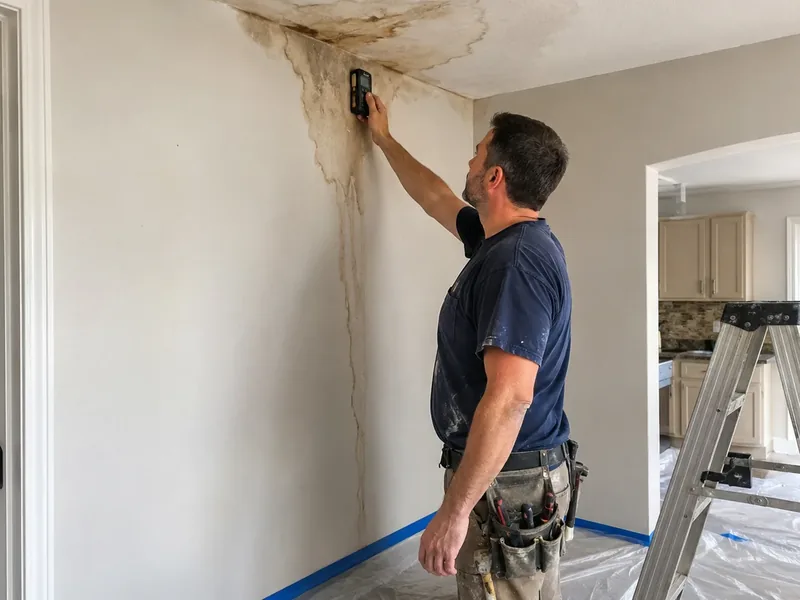
Water from a roof or supply line travels inside the wall before it becomes visible, so a brown mark on the ceiling or above a baseboard shows the end of the path, not where the leak began. Our water damage drywall repair starts by opening the wall to see how far up or across the water actually traveled, and we cut above that line rather than stopping at the edge of the stain.
We leave the framing and insulation exposed until a moisture meter, an instrument that measures how much water remains in a material, confirms the cavity is dry. Only then do we close the wall, using moisture-resistant board where the area stays damp. If mold has already established itself, that work requires separate licensing in Texas, so we turn it over to a licensed mold professional and return to rebuild the wall once they are finished.
-
Drywall Finishing & Texture
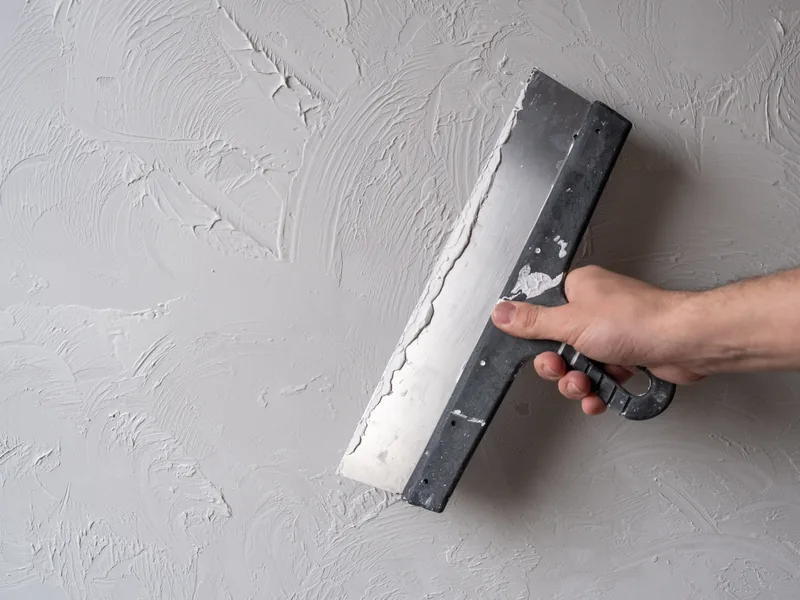
Almost no wall in Tomball is completely flat. Sprayed patterns are the regional standard, and the two you will see in most homes are knockdown, which leaves flattened splatters, and orange peel, a finer stipple. That makes good drywall finishing on a patch a matching job before it becomes a smoothing one, because texture matching against the wrong spray pattern leaves a rectangle that catches the light and stays visible.
Where the wall is meant to be flat, we skim coat it by spreading a thin layer of compound across the entire surface. The degree of smoothness follows the graded scale in GA-214, and the estimate states the exact level you are buying.
-
Drywall Installation
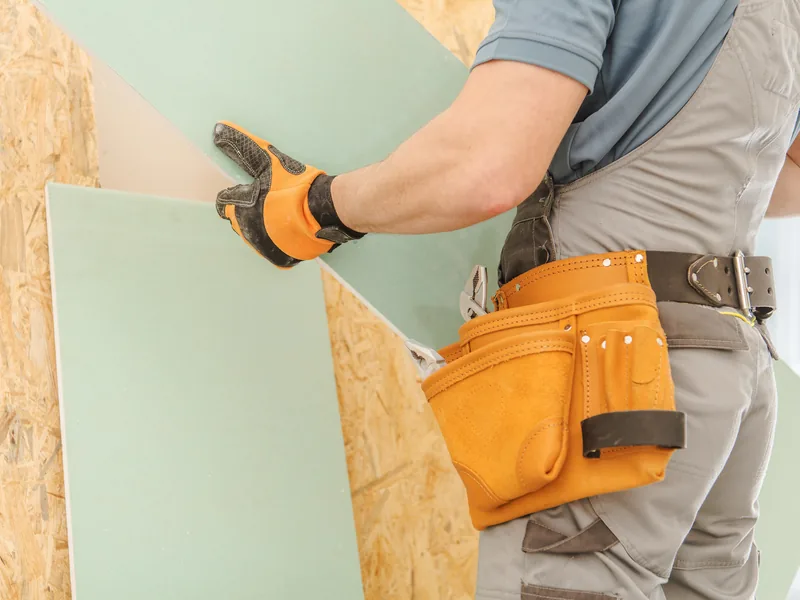
Drywall installation is what you need when new board is going into an existing building, whether you are remodeling, opening up a room or removing a wall. We hang the gypsum panels, tape the joints and finish them to the surface you selected. Older houses make this less predictable than new construction because the wooden framing behind the old finish was rarely laid out to the clean spacing shown on a drawing, and studs turn up where they were placed rather than where they should be. We shim or fur out the framing first, adding thin strips to bring everything into one plane so the board sits flat. New work goes up to ASTM C840.
-
Ceiling Repair
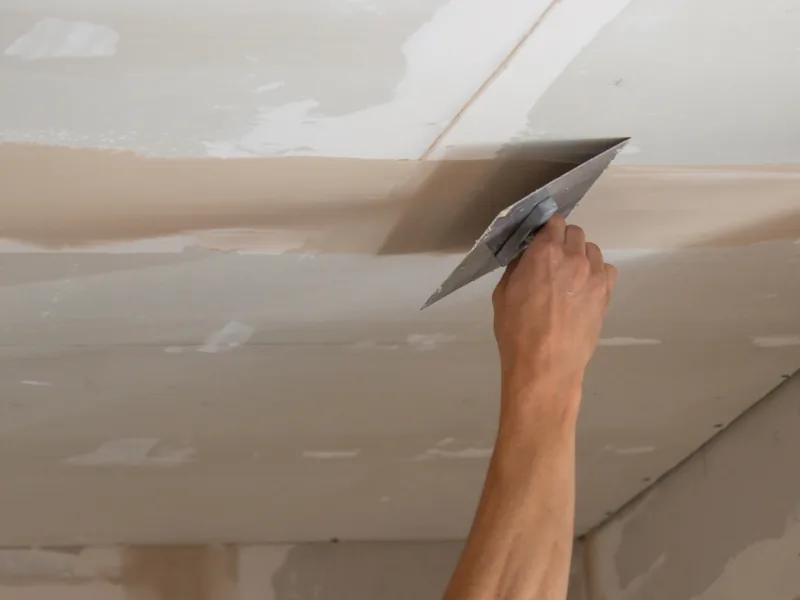
A ceiling shows its problems from the floor. A brown ring means water has passed through, so the first step is finding and confirming the source before we close anything up. A ceiling that dips points to the board's thickness and how securely it is still fastened, not to the paint. The joists overhead are the beams that support that board. We refasten or replace the affected section, use sag-resistant ceiling board where the span requires it, and re-tape the seams. What you get back is a ceiling that sits flat in one plane again.
-
Popcorn Ceiling Removal
Ceiling texture applied before 1990 may contain asbestos, so we do not scrape it until testing is complete. We take a sample and have it analyzed first. If the result is positive, removal requires a licensed abatement contractor and is not work we perform. If the result is negative, we proceed with popcorn ceiling removal, then skim and refinish the ceiling underneath so you are left with a finished surface rather than bare board.
-
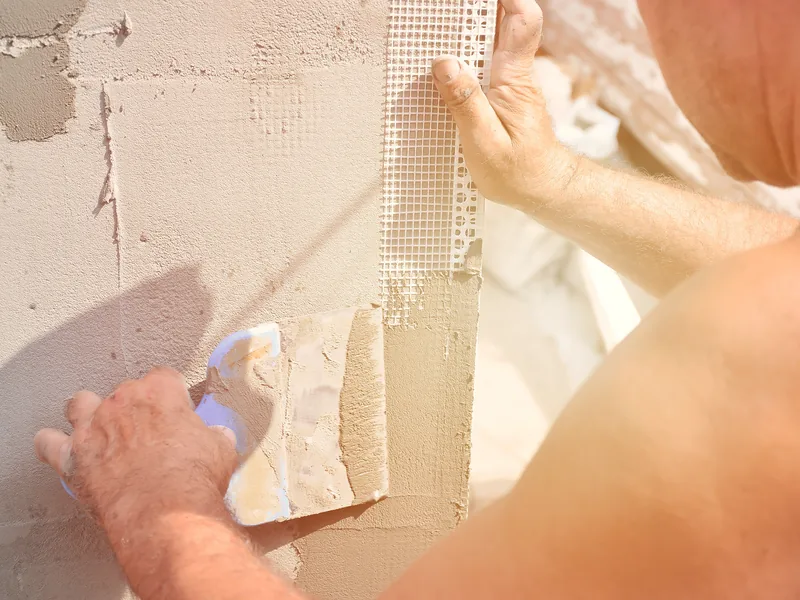
Plaster Repair
Buildings in the old part of town predate gypsum board altogether. Their walls are gypsum plaster over wood lath, and the plaster stays in place by gripping that lath. That is why plaster repair is different from patching board: we cut back to plaster that is still firmly attached and work new material into the lath so it bonds the same way, rather than spreading a new layer over a surface that has already let go. A plaster wall can be repaired in place far more often than owners expect.
-
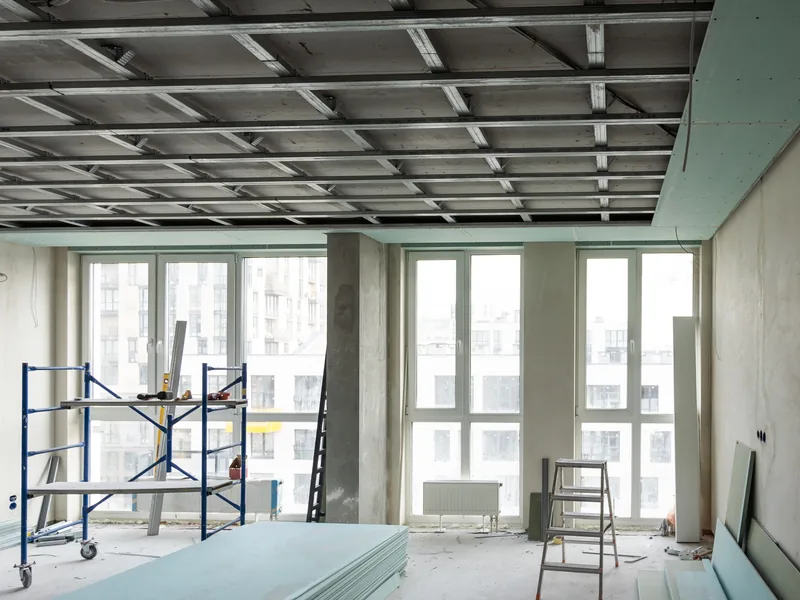
Commercial Drywall Services
Businesses here occupy two very different kinds of space: the storefronts around the old square and the retail and office suites along the corridor. Commercial drywall in either setting often includes a tenant-finish demising wall, and we build those as part of a fit-out along with the interior walls and ceilings the tenant needs. We schedule the work around the hours your business actually keeps.
-
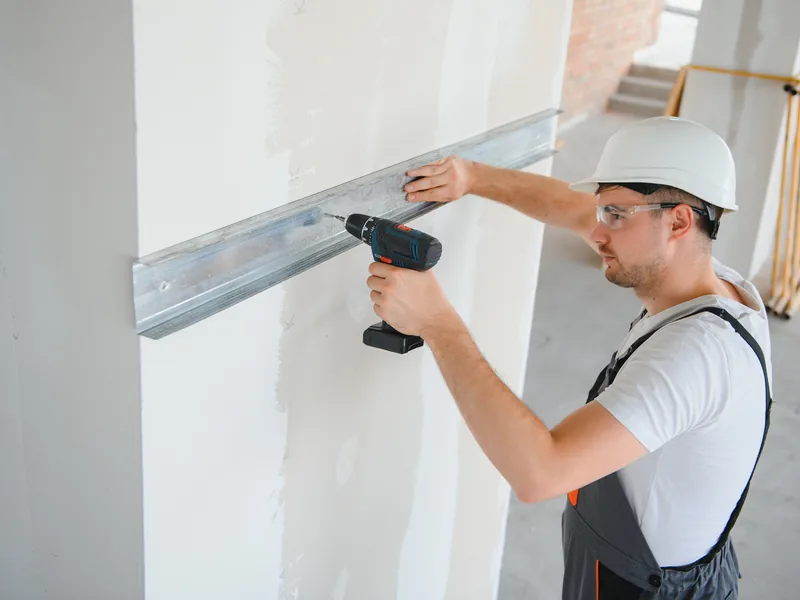
Metal Stud Framing
Steel is the standard framework in retail and office space. Metal stud framing uses light steel uprights fitted into a channel called track, which is secured to the floor and the ceiling above. These partitions support only themselves, allowing a suite to follow the tenant's layout instead of the building's structure. We handle the framing and boarding in one scope, so there is no wait for a second trade between layout and finish.
-
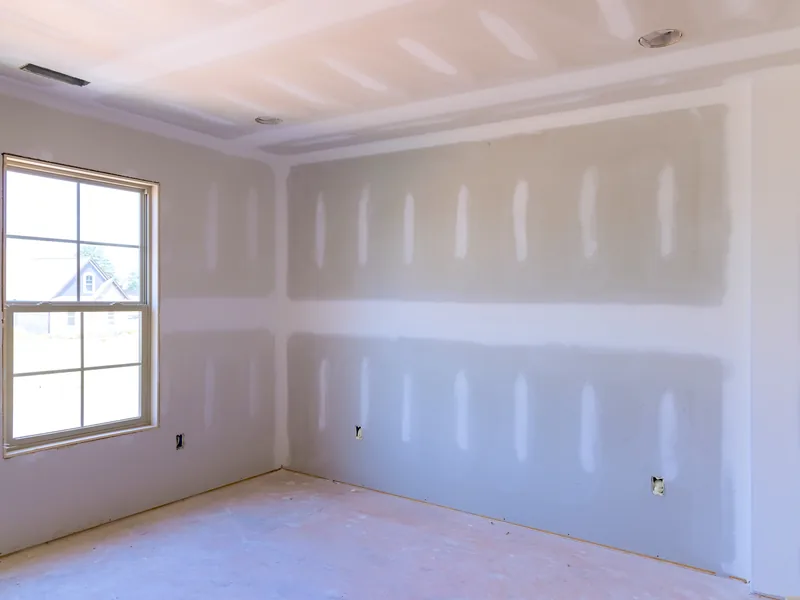
New Construction Drywall
New houses and commercial shells continue to go up on the growth side of Tomball, and new construction drywall there is a whole-building job rather than a single room: every wall and ceiling is hung, taped and finished in one run. We agree on the finish level before the first coat goes on, so the walkthrough is a final check rather than a negotiation. We sequence the work around the builder's schedule, arriving when the building is ready for us and clearing the space for the trades that follow.
-
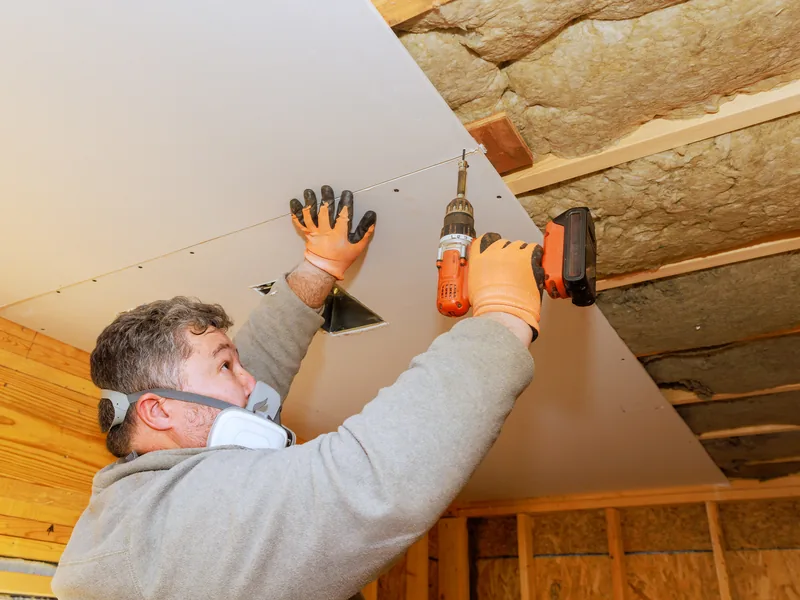
Ceiling Drywall Installation
A ceiling has gravity working against it in a way a wall does not, so ceiling drywall installation begins with the span between supports. Where the framing overhead is set 24 inches on center, ordinary board is more likely to sag, and water-based sprayed texture adds even more weight when it goes on wet. We specify thicker or sag-resistant board for those spans. Ceilings are hung before the walls, which keeps their edges tight around the perimeter.
-
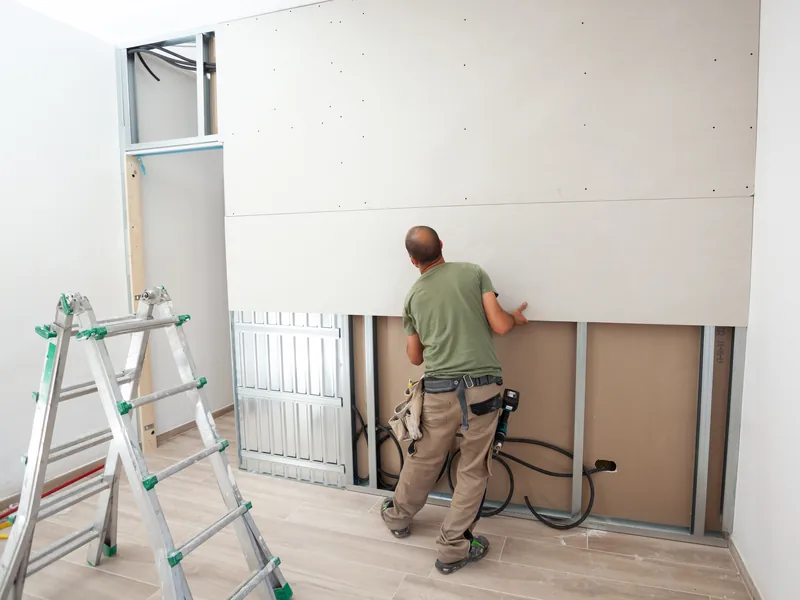
Partition Wall Installation
Dividing a space is the most common way to create a room that was not there before, whether that means splitting a bedroom at home or dividing a suite downtown. We frame, board and finish that new wall. Downtown brings an added complication because the narrow lots around the square were built close together, and two buildings can meet at a shared party wall. We settle anything that affects one before work begins. Whatever the wall, we finish it to match the room it joins rather than giving it a separate standard of its own.
-
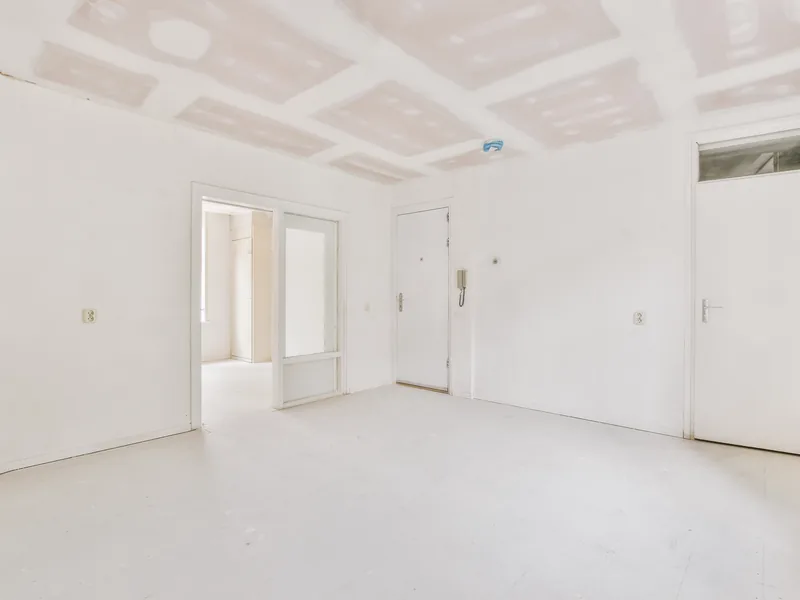
Drywall Priming & Painting
New and repaired board absorbs whatever is applied to it, and it does so unevenly, which is why a patch can still show through paint as a dull or glossy area. Drywall priming with PVA primer, a sealer made for fresh gypsum and joint compound, evens out that absorbency so the paint above dries to one consistent sheen. Priming is standard on our work. Drywall painting beyond that is a separate choice, with its own price listed on the estimate so you can see the cost before you agree to it.
-
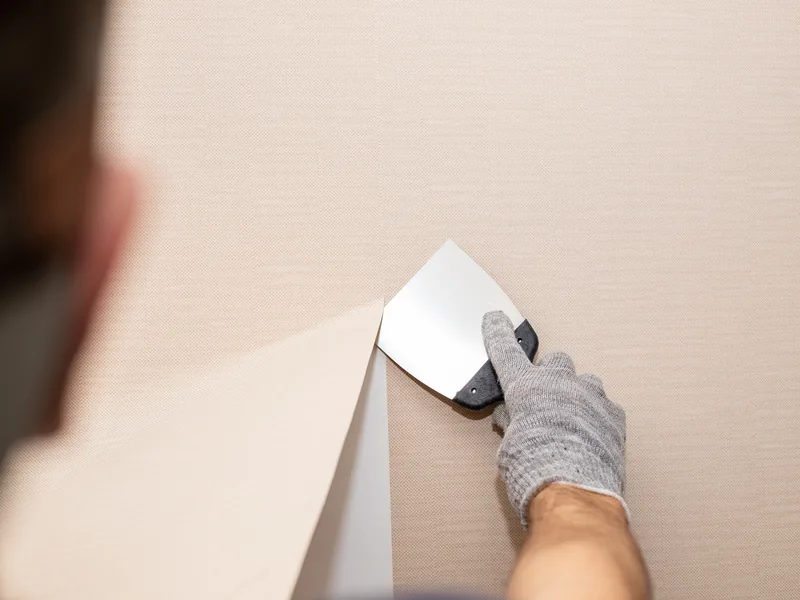
Wallpaper Removal
Wallpaper removal is really two jobs, and the second one determines how the wall looks when we are done. Once the paper is stripped, we assess the surface that was hidden beneath it, which in an older house here can be plaster or board that was never painted before the wallpaper went up. Unpainted board has no barrier between the paste and the paper facing on its front surface, so removing the wallpaper tears away that facing and leaves a fuzzy, uneven wall. We repair the torn areas, skim the surface smooth and prime it, leaving you with a wall that is ready for paint.
-
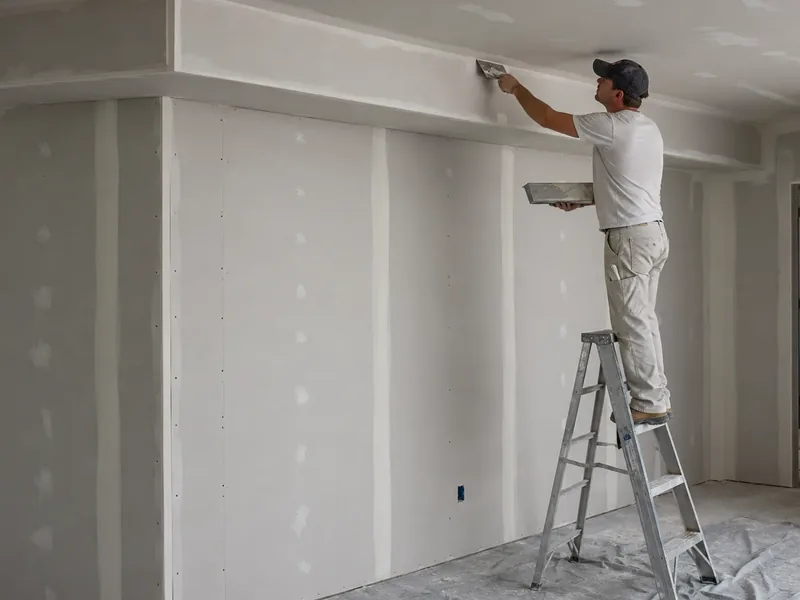
Drywall Soffits & Bulkheads
Drywall soffits and bulkheads are the boxed-in sections that drop below a ceiling, whether they sit above kitchen cabinets, follow a duct run carrying air through a building or frame a storefront display. In older downtown buildings, services were often routed low and boxed in afterward, so a bulkhead there is usually hiding pipe, duct or electrical conduit rather than framing alone. We open it before making assumptions about what is inside, keep clear of anything live, and close it back up square and in line.
-
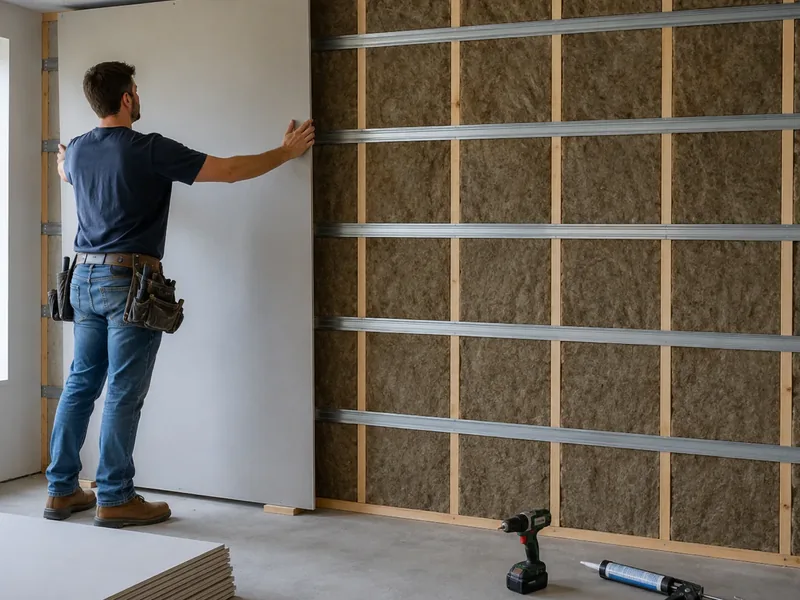
Soundproof Drywall Systems
Quiet comes from the entire wall assembly, not from any single product inside it. The STC scale measures how much airborne sound a wall blocks, and the rating belongs to the complete assembly: the framing, the material filling the cavity, any resilient channel that holds the board slightly away from the studs, and the layers of board themselves. Change one part and the rating changes. In Tomball, soundproof drywall is most often needed between two tenants or between two rooms in a house, and we build the assembly to the rating you need rather than simply adding another layer of board and hoping it is enough.
What a Drywall Contractor Meets in Old Town Tomball
The oldest commercial buildings in Old Town Tomball were finished long before drywall became the standard wall material, so the surface behind the paint in a downtown storefront is often not board at all. That changes how we approach the job. A drywall contractor working here first needs to determine what the wall is made of before deciding how to repair it, because the right fasteners, patch thickness and finish all depend on that answer.
A Downtown Surface That Was Never Drywall
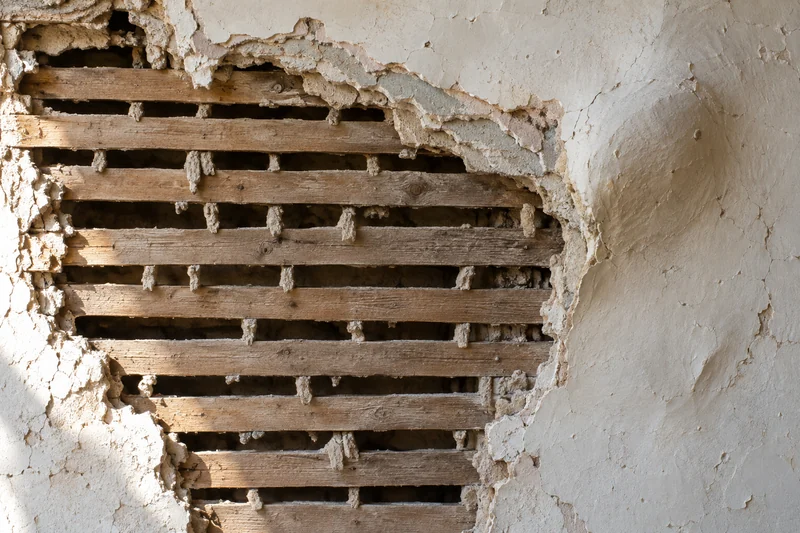
Three kinds of wall appear in these older buildings, and you often find more than one in the same room. Depot-era board-and-batten is made from vertical boards with narrow strips nailed over the gaps between them. Wood lath is a layer of thin wooden strips fastened across the framing, and gypsum plaster was spread over those strips so it squeezed through the gaps and hardened behind them, creating the grip that holds the plaster to the wall.
In many buildings, a later remodel added drywall over one or both of those older surfaces, leaving the original wall in place underneath. A small opening in an inconspicuous spot tells us which of the three we are dealing with, and once we know that, plaster repair and drywall repair follow different methods.
Matching a Finish With No Pattern to Copy
A hand-worked plaster surface has no repeating pattern to copy, while a sprayed texture added over old plaster in the 1980s can leave two different finishes on the same wall. Texture matching starts on scrap: we build a sample, hold it against your wall in the room's own light, and adjust it before anything is applied to the repair. A skim coat, sand float finish and knockdown texture each catch the light differently, so a patch can be the right size and shape and still stand out. If the original finish cannot be matched exactly, we tell you before the work starts rather than after.
A Crack That Keeps Coming Back
Tomball sits on Gulf Coast clay that swells as it absorbs water and shrinks as it dries, so a wall standing on ground that moves with the seasons does not stay perfectly still. The position and direction of a crack give clues about what is moving behind the wall, but they are never a verdict on the cause. A hairline seam that opened once and has stayed unchanged is ordinary. A crack that is wide, reopens in the same place after being filled, or has two sides that no longer line up can warrant evaluation by another qualified professional before we patch it again, and we will tell you that rather than sell you the same repair twice.
Free Quote FormWhere We Work Around Tomball
The parts of Tomball we are called into most often are named places with their own street layouts and building dates, and the drywall services each one needs follow from when and how it was built. Pine Country, Raleigh Creek, Raburn Reserve and Seven Oaks are four examples, each a public improvement district created by the city as the homes were developed. When an entire block of houses goes up in the same period, those homes reach the same age together, so the wall or ceiling problems you are seeing are usually the same ones your neighbors are seeing, and the right job for your street is rarely the right one for the next street over.
Pine Country: Patching One Room in a Block Built All at Once
Pine Country was the first of those districts, with 68 lots inside the city limits, established in 2007. That is a small enough group that the houses were built and have aged together, which is why the drywall repair we are called for here is almost always limited to one room. A door handle pushed through the wall behind it, a ridge standing proud where two sheets meet, or a bare patch left after a fixture comes off the wall are all contained jobs, and we quote each one as its own scope rather than turning it into a whole-house project.
Raleigh Creek: Fixing Ceilings Across a 2007 Build Wave
Raleigh Creek was established the same year with 347 lots, making it one of the two largest districts in this group. A neighborhood that size, built largely in one wave, is now approaching twenty years old, and ceilings are where that age shows first because they have carried their own weight against gravity every day of those years. Ceiling repair here starts with what you can see from the floor: a seam opening in a line overhead, a stain that has spread, or a section of ceiling that no longer sits flat.
Raburn Reserve: First-Year Seams on Newly Built Streets
Raburn Reserve is the other large district, with 347 residential lots plus a commercial reserve, established in 2020. Because that commercial reserve sits within a residential district, shop and office interiors share the same streets as living rooms. A new house moves as it settles onto the ground through its first year, and new construction drywall shows that movement clearly: fastener heads pushing the surface outward, cracks along the metal corner bead that protects an outside corner, and seams showing through the paint. We refinish those areas rather than rebuilding the wall.
Seven Oaks: Soundproofing a Shared Wall Between Townhomes
Seven Oaks is newer still, with 141 attached townhomes established in 2022, and it is the district in this group where your home is physically joined to the one beside it. The wall you want quieter is also your neighbor's wall, so soundproof drywall here means working on a single structure shared by two homes rather than treating one room in isolation. That changes what we inspect, what we can reach from your side, and what we explain before any work is scheduled.
The SH-249 Corridor and Its Newer Retail Interiors
The side of Tomball along SH-249 is built for business, not for living in. Shops, clinics and office suites occupy newer shells there, with interior walls designed to divide the space into rentable units. That changes who we coordinate with.
The person calling a drywall contractor about a suite along the corridor is often a tenant fitting out leased space or a property manager responsible for several units at once, rather than someone who owns and occupies the building. Both work from a written scope, and commercial drywall for a tenant finish is handled the same way: as a defined result agreed before the work begins.
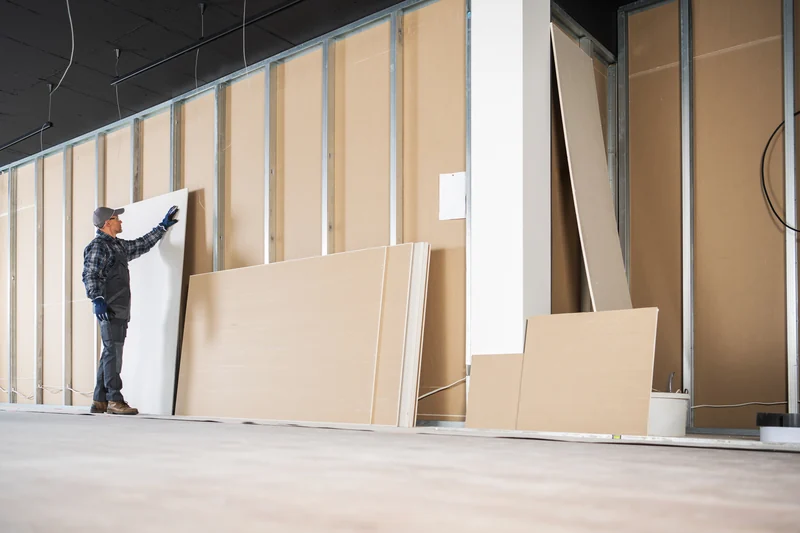
A Finish Level Is Something You Buy, Not Something You Hope For
A finish level is a written specification that defines how smoothly the joints between panels are finished and blended into the surrounding surface. GA-214 is the published scale the trade uses to name those levels. Level 4 is the standard baseline for a wall that will be painted, and it performs well under soft, even light.
Level 5 carries that same skim coat across every panel and joint, so the entire wall responds to light in the same way. It is called for when light strikes the wall at a low angle or when the paint has a noticeable sheen. Under a shopfront's downlights, a Level 4 joint can cast a faint shadow that was not visible in the empty shell. We state the finish level on your estimate, so the drywall finishing you are paying for is written down rather than left to assumption.
Demising Walls and Who Is Next Door
A demising wall separates your suite from the tenant next door, and it usually has to do more than the partitions inside your own space. A tenant-finish demising wall is built up from steel studs, with Type X board on its faces, which is the fire-rated grade. Fire resistance and sound control belong to the complete tested assembly, not to any single panel within it.
Metal stud framing, board, fasteners and edge sealing are all part of that assembly, which is why board thickness by itself does not tell you how the wall will perform. Tell us what your lease or plans require from the wall, and we will build it to that specification. Call us at (346) 248-4075 or set out the particulars on our quote form.
Small-Town Access: Narrow Lots and Short Working Days
Downtown work is shaped by two things that have nothing to do with the wall itself: how materials get into the room and who occupies the space on the other side. We settle both before any board is cut because together they determine when a drywall contractor can be in the building at all. Downtown, that window is often much shorter than a full working day.
Getting Material to a Building With No Side Yard
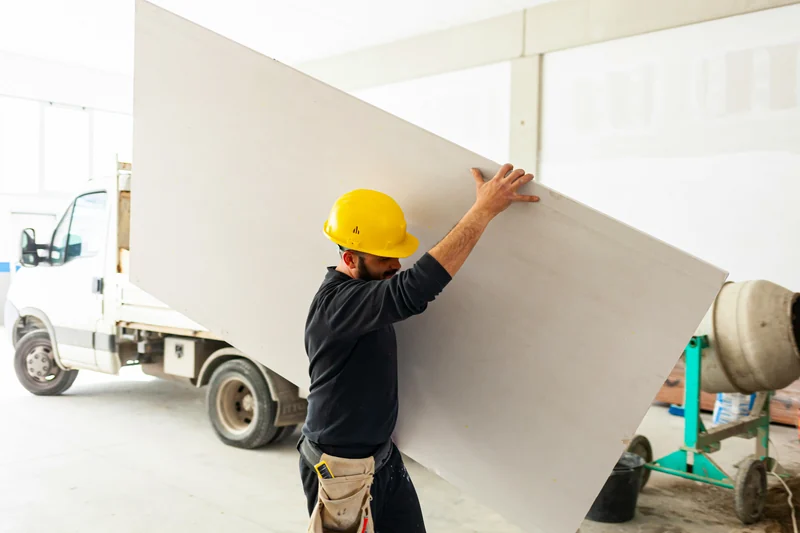
The commercial buildings in Old Town Tomball are built out to their property lines, leaving no side yard for stacking material and no loading bay for deliveries. The available street frontage faces a through route rather than a service road, so the curb outside carries traffic and cannot serve as a work area.
A 4 by 8 sheet therefore arrives cut into pieces that fit through the door, then gets staged inside the building rather than on the sidewalk. Before the first day, we agree with you on where materials will go, where waste will leave from, and which section of the floor we can use. Dust containment goes up before any of that starts, allowing the rest of the room to stay open while we work in one corner.
Working on Either Side of a Shared Party Wall
A shared party wall is the single wall between two storefronts, serving both spaces at once. Noise and dust travel through it no matter which side we are working on, so commercial drywall here has two occupants to account for instead of one. We ask who is next door and what their week looks like before scheduling the work, then phase the job so neither business loses a trading day it cannot spare. We do not open that wall until the occupant on the other side knows the work is happening.
Free Quote FormDrywall Questions From Tomball Owners
Can you patch a wall in a building that is older than drywall?
Yes. What determines the job is the material beneath the finish, because a wall built from gypsum plaster behaves very differently from a modern panel once you cut into it. That is why the written estimate separates the areas we can patch and blend into the surrounding wall from the areas that need the entire surface reworked, since those are two different jobs with two different costs. You see exactly which areas fall into each category before we start, so if a room needs more work, that becomes a decision you make rather than a surprise you receive.
We are fitting out a suite on the SH-249 side. What do you need before you quote?
Two documents matter: the finish level required by your landlord's work letter and the section of your lease that covers the wall shared with the suite next door. A work letter is the landlord's written description of the condition in which the space is handed over, and the landlord rather than the tenant normally sets the finish level. That is why two suites in the same building can be finished to different standards at different prices. Most work letters name Level 4 or Level 5 outright and leave nothing open to interpretation. Send us both documents, and the quote will reflect what you are already required to deliver.
Do you actually work in Tomball, or only around it?
Yes, Tomball is a defined part of the area we serve, not simply a town we pass through. One important detail is that a Tomball mailing address does not necessarily mean the property is inside the city limits. The 77375 and 77377 ZIP codes extend well into unincorporated Harris County, so a home with Tomball in its mailing address can still sit outside the city. That boundary determines who reviews building work, since the City of Tomball has its own Building Division while properties beyond the city limits fall under the county. We check which side of that line your address is on before anything is scheduled.
Is it cheaper to do drywall yourself?
For hanging a small patch, sometimes. For the finish, almost never. A fist-sized hole in a flat, unpainted wall is a reasonable weekend job, and joint compound is forgiving when there is no texture to match. The real cost and difficulty are in the finishing: feathering the compound far enough that no edge catches the light, then blending the repair into the existing sprayed pattern. That second step is a separate skill and the hardest part to undo, because a poorly finished patch usually has to be cut back out and started again rather than corrected in place.
Can you work around the hours our business keeps?
Yes, and evening and weekend windows are written into the scope rather than loosely promised and arranged later. On a narrow downtown lot, after-hours work is often the only practical option because the floor we would use to stage materials is the same floor your customers walk across. Out along the corridor, where there is room behind the building, a contained daytime job can work better for a tenant and finish sooner. Dust containment is what makes either schedule possible.
Will a patch match the texture that is already on my wall?
Yes, matching the pattern already on your wall is exactly what the finishing work is for. What texture matching cannot correct is sheen, the way a painted surface reflects light. Fresh paint over a repair reflects light differently from paint that has been on the wall for years, so the patch can still remain visible even when the texture matches. If you want the wall repainted, we carry the paint from corner to corner and stop at the room boundaries rather than at the edge of the repair. Primer is included with the repair either way, while paint is priced separately.
Get a Free Drywall Estimate in Tomball
We come out and look at the wall before putting a price on the work, and that visit costs you nothing. Whether the job is in a house on a quiet street or a suite along a busy corridor, the first step is the same: a drywall contractor stands in the room, measures what is there, and prepares an itemized estimate you can keep. Call The Woodlands Drywall Co. at (346) 248-4075 or use our quote form to request your free on-site estimate.